Magnesium is an active mineral that participates in more than 300 biochemical reactions, some of which support liver function and detoxification, blood sugar control, and metabolic health. Many of us are not meeting our magnesium needs, which can eventually lead to, among other problems, fatigue, inflammation, and a compromised liver.
Our in-house expert, Dt. Aparna Pandey, MSC-Nutrition and Dietetics, shares that one of the most surefire natural and safe ways to support the liver is by increasing your intake of magnesium through whole foods, not via supplements alone. Below is a clear, authentic, evidence-based guide on magnesium-rich foods and why they play a key role in liver health.
Why Magnesium Matters for Liver Health?
The liver uses magnesium for many vital activities: energy production, detoxification of toxins and drugs, regulation of fat metabolism, and prevention of inflammation. A deficiency can further exacerbate insulin resistance, enhance oxidative stress, and may lead to NAFLD. Optimal magnesium intake allows the liver to function more efficiently and reduces the metabolic burden.
Magnesium-Rich Foods That Support Liver Health
1. Leafy Green Vegetables (Spinach, Swiss Chard, Kale)
Leafy greens are among the richest natural sources of magnesium, since they form part of the chlorophyll molecule. Beyond magnesium, these greens provide antioxidants that help neutralize free radicals and reduce liver inflammation. The high fiber content is beneficial to the liver, since it reduces cholesterol levels and improves digestion, both of which are important for hepatic detoxification.
2. Nuts and Seeds: pumpkin seeds, almonds, cashews, and flaxseeds
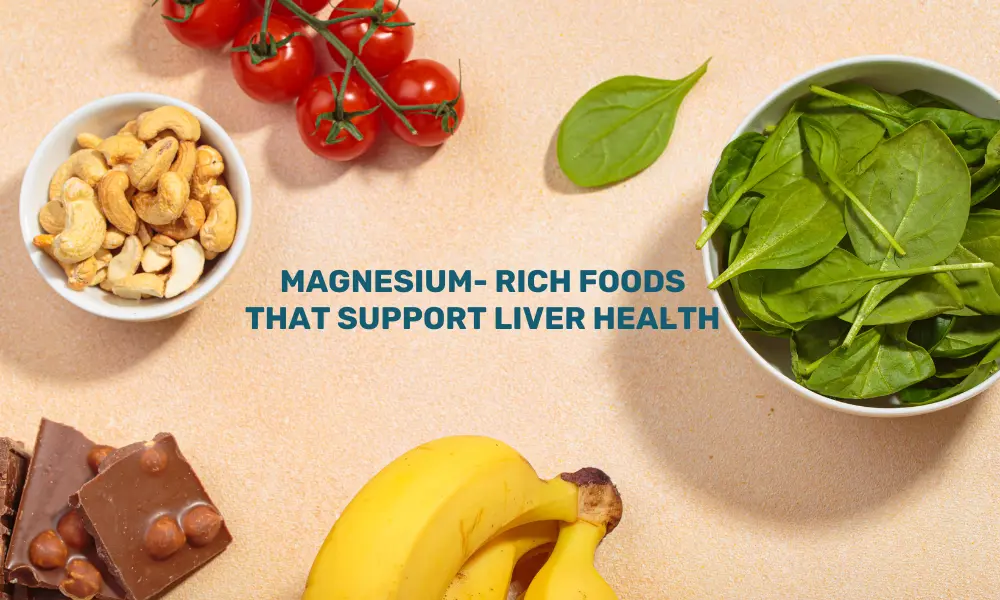
Pumpkin seeds are one of the richest sources of magnesium, providing about half of the daily intake in a small serving. Other rich sources include almonds and cashews, in that order. Healthful fats in these foods have anti-inflammatory properties and help the liver repair its cells. Seeds, such as flax and chia, provide fiber and omega-3 fatty acids, which can help lower fat accumulation in the liver, a key factor in NAFLD.
3. Legumes: Black Beans, Chickpeas, Lentils
Legumes are rich in magnesium, plant protein, and soluble fiber. They work to regulate blood sugar levels and improve insulin sensitivity, both of which favor the liver by reducing fat accumulation. Stable blood sugar levels place less metabolic burden on the liver, allowing it to function more effectively. They also enhance gut health; the healthier your gut microbiome, the less inflammation reaches the liver.
4. Whole Grains – Brown Rice, Quinoa, Oats
Unlike refined grains, whole grains retain their magnesium-rich outer layers. Quinoa is especially magnesium-rich and contains complete protein, making it a perfect grain for liver-supportive meals. These grains offer sustained energy, support healthy bowel function, and help the liver metabolize fats and carbohydrates more efficiently. The fiber in whole grains also helps eliminate toxins and waste products that the liver sends to the digestive tract.
5. Fatty Fish (salmon, mackerel, sardines)
Though not as high in magnesium as seeds or greens, fatty fish provide a worthy combination of magnesium and omega-3 fatty acids. Omega-3s reduce hepatic inflammation and improve triglyceride levels. This dual effect supports liver repair, reduces fat accumulation, and favors healthier liver enzymes. Fish inclusion, about twice a week, is a recommended dietitian guideline to keep the liver resilient.
6. Avocados
Avocados are rich in magnesium, potassium, fiber, and heart-healthy monounsaturated fats. Collectively, these nutrients exert anti-inflammatory actions, lower LDL cholesterol levels, and protect liver cells from oxidative damage. Their fiber helps digestion and reduces the burden on the liver by improving bile flow and fat metabolism.
7. Bananas
They provide moderate amounts of magnesium, as well as potassium and vitamin B6. This combination is essential to energy metabolism in liver cells and helps maintain fluid balance. Bananas are easy to digest and pair well with other good sources of magnesium, such as nuts and whole grains.
8. Dark Chocolate (70% and above)
Dark chocolate is an excellent source of magnesium and antioxidants. In moderation, it will help reduce inflammation and encourage healthy blood flow to the liver. Choose varieties with low sugar to avoid blood sugar spikes, which can place an extra burden on liver metabolism.
The Bottomline
Cleansing your liver doesn’t have to involve harsh detoxes or incredibly restrictive diets. Instead, focus on adding a variety of magnesium-rich whole foods to your diet every day. This crucial mineral helps drive energy production, supports detoxification efforts, controls inflammation, and balances metabolism-all factors that could impact the liver over time. A diet based on leafy vegetables, nuts, legumes, whole grains, and healthy fats naturally nourishes your liver and can improve your overall health in a very organic and genuine way. For more such nutrition-related tips – CLICK HERE!
Disclaimer: This article is meant for informational purposes only and must not be considered a substitute for professional advice.